
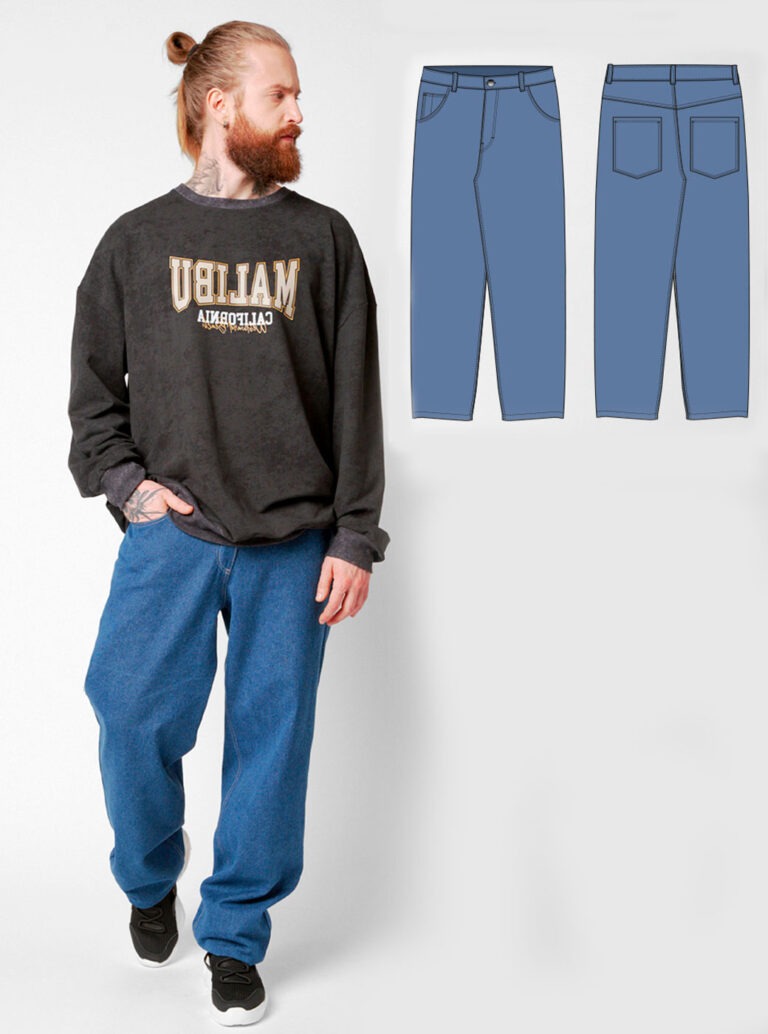
Elbrus — Men’s Jeans – sewing tutorial
Straight-cut jeans with a medium waist. A metal zipper at the front, pockets in the side seams and one watch pocket; cut-off yokes and patch pockets on the back…

Swimsuits have long been a reflection of cultural norms, technological advancements, and evolving fashion trends. From full-coverage bathing costumes of the Victorian era to today’s high-performance swimwear, swimsuits have undergone significant transformations. This lecture explores the historical development, contemporary trends, comfort considerations, and innovative designs that define modern swimwear.
The concept of swimwear dates back centuries, but its form and function have continuously adapted to social expectations and technological progress.
1.Early Swimwear: Modesty Over Functionality
✔ In ancient civilizations such as Greece and Rome, swimming was a common leisure activity, often done without clothing. However, as modesty standards evolved, specific swim attire became necessary.
✔ During the Middle Ages and Renaissance, swimming was discouraged, and when practiced, people often wore full-length garments in water, making swimming cumbersome.
2.18th and 19th Century: The Birth of Bathing Costumes
✔ The 18th century saw the introduction of bathing gowns for women, which were long, loose, and made of heavy fabric to ensure modesty.
✔ By the 19th century, “bathing suits” became more structured, consisting of wool dresses worn over bloomers, paired with stockings and bathing shoes.
✔ Men’s swimwear was also restrictive, with full-length woolen suits covering most of the body.
3.Early 20th Century: The Shift Toward Functionality
✔ The early 1900s marked a shift toward more practical swimwear. Annette Kellerman, an Australian swimmer, famously challenged social norms by wearing a form-fitting one-piece swimsuit in 1907.
✔ By the 1920s, women’s swimsuits became sleeveless and shorter, allowing for greater mobility. Men’s swim trunks replaced full-body suits.
✔ In 1930, Lastex, an elastic fabric, was introduced, making swimsuits more flexible and comfortable.
4.Mid-20th Century: The Rise of Modern Swimwear
✔ The bikini, designed by Louis Réard in 1946, was revolutionary, offering a two-piece alternative that challenged traditional modesty standards.
✔ The 1950s and 1960s saw an emphasis on structured, glamorous swimwear, often with built-in bras and high-waisted bottoms.
✔ The 1970s and 1980s brought about high-cut designs, bold prints, and the rise of Lycra (spandex), which improved fit and elasticity.
5.Late 20th Century to Present: Innovation and Inclusivity
✔ The 1990s and 2000s introduced sport-inspired swimwear, with brands like Speedo designing sleek, hydrodynamic swimsuits for competitive swimming.
✔ The 2010s and 2020s embraced diversity, with inclusive sizing, gender-neutral designs, and sustainable materials gaining popularity.
Modern swimwear caters to a wide range of body types, personal styles, and functional needs. Key trends in today’s swimwear industry include:
1. Sustainable Swimwear
✔ Many brands now use eco-friendly fabrics made from recycled plastics and ocean waste.
✔ Sustainable dyes and biodegradable materials help reduce environmental impact.
✔ Notable brands: Patagonia, Reformation, Summersalt.
2. High-Tech Performance Swimwear
✔ Advanced materials like Fastskin (by Speedo) and AquaBlade (by Arena) reduce drag and enhance speed for professional swimmers.
✔ Features like UV protection, chlorine resistance, and quick-dry technology improve practicality.
✔ Notable brands: Speedo, TYR, Adidas Swim.
3. Retro and Vintage-Inspired Swimwear
✔ High-waisted bikinis, halter-neck swimsuits, and polka-dot patterns pay homage to mid-20th-century styles.
✔ Aesthetic appeal meets modern fabric technology for enhanced comfort.
4. Inclusive and Adaptive Swimwear
✔ Brands are now offering swimwear designed for people with disabilities, post-mastectomy recovery, and diverse body types.
✔ Adjustable straps, extra support, and seamless designs improve accessibility.
Swimsuits must balance aesthetics, comfort, and functionality. Key considerations for
comfort include:
1. Fabric and Fit
✔ Stretchable materials like spandex provide flexibility and shape retention.
✔ Seamless construction reduces chafing, especially for long-term wear.
✔ Adjustable straps and built-in support enhance comfort.
2. Purpose-Specific Swimwear
✔ Competitive Swimwear: Designed for speed and efficiency, with compression
technology for muscle support.
✔ Casual Beachwear: Prioritizes style, often featuring bold prints and flattering
cuts.
✔ Modest Swimwear: Includes burkinis and full-coverage swimsuits for religious or
personal preferences.
3. Durability and Maintenance
✔ Chlorine-resistant fabrics extend lifespan in swimming pools.
✔ Quick-dry and water-repellent coatings enhance convenience.
✔ Proper washing (avoiding harsh detergents and sun exposure) maintains
elasticity.
Swimwear design continues to evolve with advancements in textiles, body inclusivity,
and sustainability. Emerging trends include:
1. Smart Swimwear
✔ Swimsuits with built-in UV sensors alert wearers about sun exposure.
✔ Self-cleaning and odor-resistant fabrics reduce the need for frequent washing.
2. Convertible and Multi-Way Swimwear
✔ Bikinis with adjustable straps allow for multiple styling options.
✔ Reversible swimsuits provide two looks in one, reducing wardrobe excess.
3. 3D-Knitted and Zero-Waste Swimwear
✔ 3D-knitting technology minimizes fabric waste and enhances precision in design.
✔ Zero-waste brands focus on ethical production and fair labor practices.
1.Sustainable Swimwear
✔ Many brands now use eco-friendly fabrics made from recycled plastics and ocean waste.
✔ Sustainable dyes and biodegradable materials help reduce environmental impact.
✔ Notable brands: Patagonia, Reformation, Summersalt.
2.High-Tech Performance Swimwear
✔ Advanced materials like Fastskin (by Speedo) and AquaBlade (by Arena) reduce drag and enhance speed for professional swimmers.
✔ Features like UV protection, chlorine resistance, and quick-dry technology improve practicality.
✔ Notable brands: Speedo, TYR, Adidas Swim.
3.Retro and Vintage-Inspired Swimwear
✔ High-waisted bikinis, halter-neck swimsuits, and polka-dot patterns pay homage to mid-20th-century styles.
✔ Aesthetic appeal meets modern fabric technology for enhanced comfort .
4.Inclusive and Adaptive Swimwear
✔ Brands are now offering swimwear designed for people with disabilities, post-mastectomy recovery, and diverse body types.
✔ Adjustable straps, extra support, and seamless designs improve accessibility.
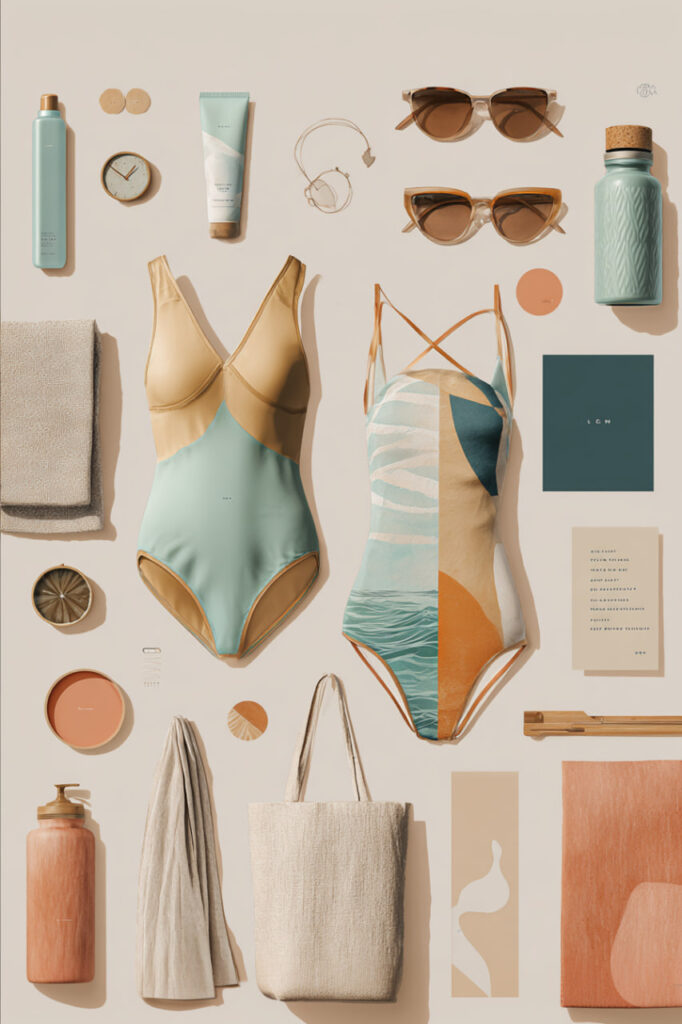

Swimsuits must balance aesthetics, comfort, and functionality. Key considerations for comfort include:
1.Fabric and Fit
✔ Stretchable materials like spandex provide flexibility and shape retention.
✔ Seamless construction reduces chafing, especially for long-term wear.
✔ Adjustable straps and built-in support enhance comfort.
2.Purpose-Specific Swimwear
✔ Competitive Swimwear: Designed for speed and efficiency, with compression technology for muscle support.
✔ Casual Beachwear: Prioritizes style, often featuring bold prints and flattering cuts.
✔ Modest Swimwear: Includes burkinis and full-coverage swimsuits for religious or personal preferences.
3.Durability and Maintenance
✔ Chlorine-resistant fabrics extend lifespan in swimming pools.
✔ Quick-dry and water-repellent coatings enhance convenience.
✔ Proper washing (avoiding harsh detergents and sun exposure) maintains elasticity.
Innovative Swimwear Designs
Swimwear design continues to evolve with advancements in textiles, body inclusivity, and sustainability. Emerging trends include:
4.Smart Swimwear
✔ Swimsuits with built-in UV sensors alert wearers about sun exposure.
✔ Self-cleaning and odor-resistant fabrics reduce the need for frequent washing.
Looking ahead, swimwear will continue to integrate sustainability, innovation, and inclusivity:
✔ Lab-Grown Fabrics: Research into biodegradable and algae-based textiles is underway.
✔ Gender-Neutral Swimwear: More brands are moving away from gendered styles to offer unisex swimwear.
✔ AI-Personalized Fit: Online retailers are using AI to recommend the best swimsuit fit based on body shape.
Swimwear has evolved from a restrictive, modest garment to a functional, fashionable, and inclusive industry. Innovations in fabric technology, sustainability, and design continue to push swimwear into the future. Whether for sport, leisure, or self-expression, swimsuits remain an essential part of global fashion, adapting to the changing needs of society while embracing diversity and innovation.
Straight-cut jeans with a medium waist. A metal zipper at the front, pockets in the side seams and one watch pocket; cut-off yokes and patch pockets on the back…
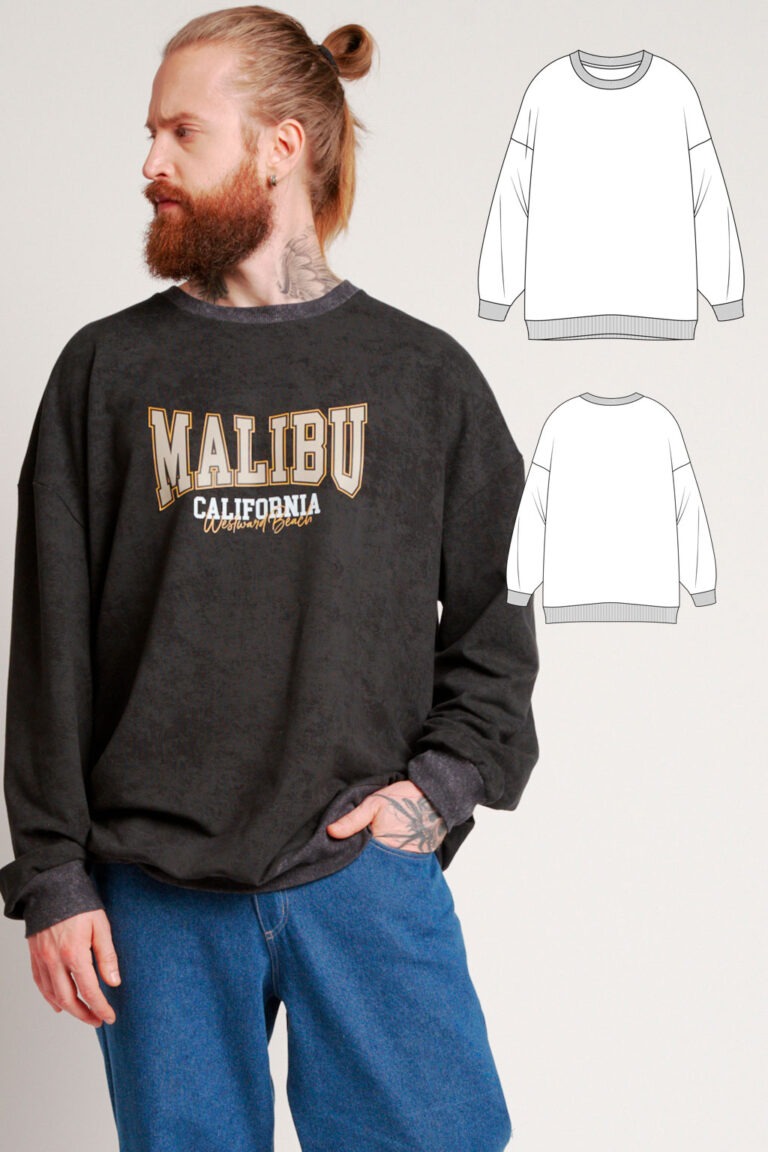
An oversized sweatshirt decorated with an iron-on sticker. The neckline, waistband and cuffs are made of rib knit…